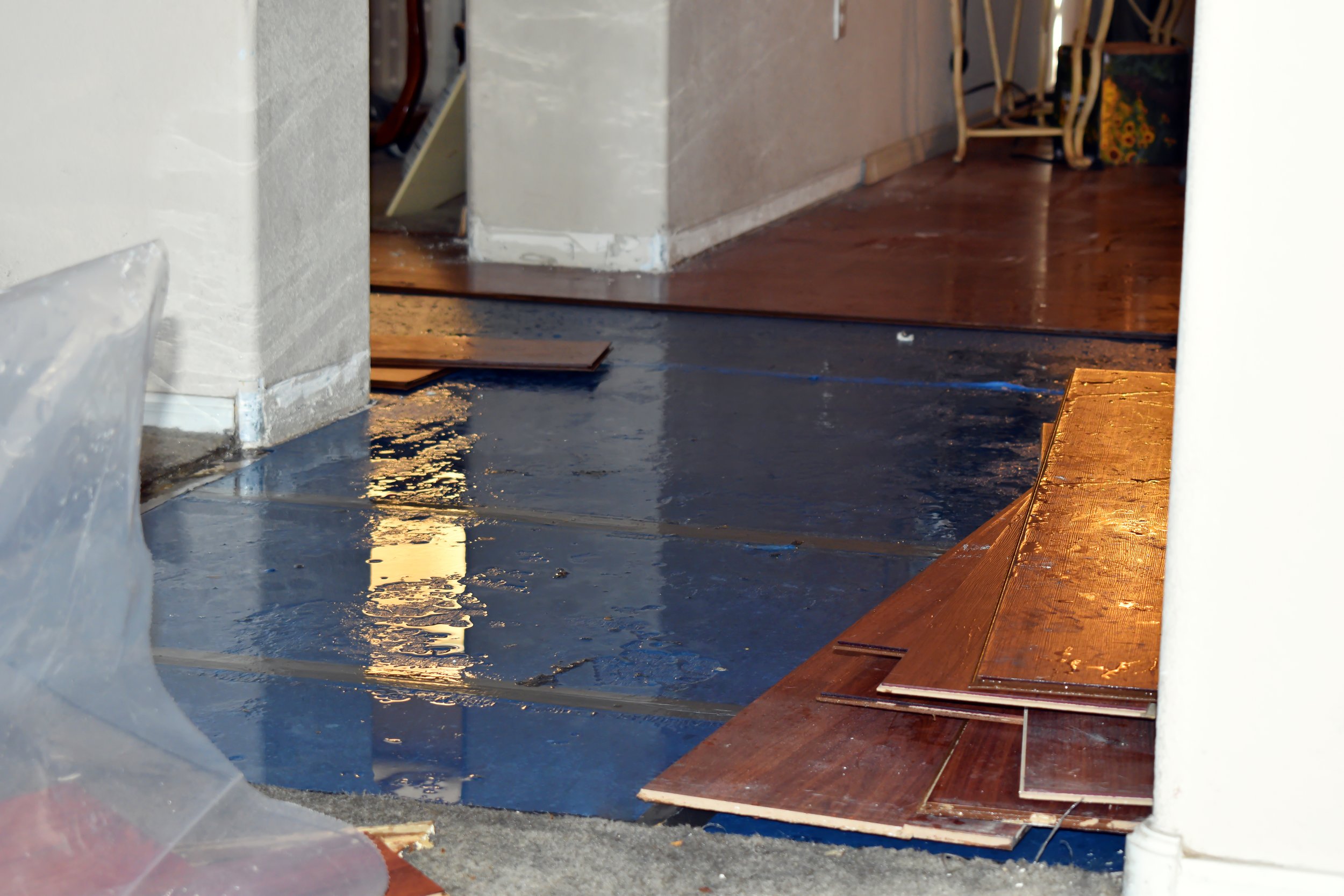
Essential Procedures for Homeowners After a House Flood
Experiencing a house flood can be overwhelming, but the first few steps you take are critical for safety and for reducing the impact of the damage. Homeowners should begin by making sure that everyone is safe and that all utilities such as electricity and gas are turned off if water levels are high. Avoid entering any standing water until a qualified professional confirms that the area is safe. Hidden dangers such as electrical shock, weakened floors, or contaminated water can still be present. Once it is safe to do so, record all damage with photos and videos for your insurance claim before any cleanup begins.
After the immediate dangers are under control, homeowners should focus on stopping the source of the water if that is possible. This can include turning off the main water supply or addressing a broken pipe or appliance. Contact your insurance company as soon as possible to begin the claim process and keep all receipts related to emergency work or temporary living arrangements. It is important to bring in trained restoration professionals quickly because water damage becomes worse with time and can lead to mold growth, ruined flooring, damaged walls, and long term structural issues.
The final step is to focus on drying, cleaning, and preventing additional damage. Use fans, dehumidifiers, and proper ventilation to help remove moisture, but make sure the entire home is checked with proper tools to locate water that may be trapped inside walls or under flooring. Items that can be saved should be cleaned with proper treatments to prevent mold, while materials that cannot be saved should be removed. When the home is restored, consider adding preventative features such as improved grading, a sump pump with a battery backup, or routine cleaning of gutters and drains to reduce the chance of future flooding.